Custom Mechanical Keyboard: Best Options, Benefits, and Buying Guide
December 30, 2025A custom mechanical keyboard isn’t just a luxury—it’s a serious upgrade for typing comfort, performance, and durability. Whether you’re a gamer, programmer, or productivity power user, choosing the right custom keyboard can dramatically improve your daily workflow.
This guide breaks down what to buy, why it matters, and how to choose the best custom mechanical keyboard for your needs—without wasting money on hype.
What Is a Custom Mechanical Keyboard?
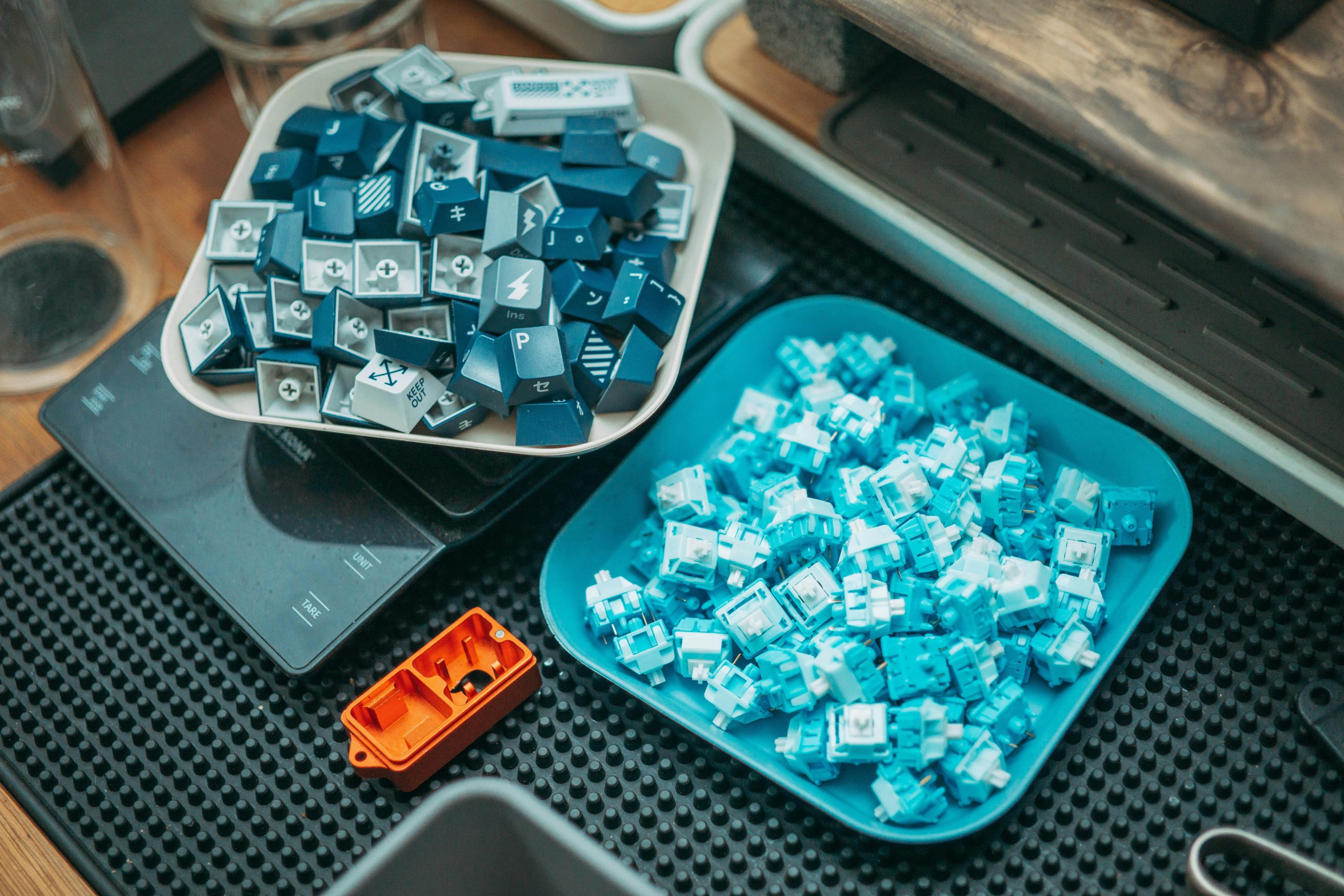
A custom mechanical keyboard is a keyboard built using individual components such as a case, PCB, switches, stabilizers, and keycaps. Unlike prebuilt keyboards, custom builds let you tailor:
- Typing feel
- Sound profile
- Layout and size
- Aesthetics and materials
- Long-term repairability
Affiliate-wise, this matters because buyers are not looking for a keyboard—they’re looking for the right combination of parts.
Why Buy a Custom Mechanical Keyboard Instead of a Prebuilt?
Prebuilt keyboards are designed for mass appeal. Custom keyboards are designed for you.
Key Advantages
- Better typing experience (less fatigue, more precision)
- Higher-quality materials (metal cases, premium plastics)
- Replaceable components (switches, PCBs, stabilizers)
- Longer lifespan than gaming-brand keyboards
- Superior sound tuning
If you type daily, a custom mechanical keyboard is closer to an ergonomic investment than a gadget.
Best Custom Mechanical Keyboard Layouts (Which Should You Choose?)
Choosing the right layout is one of the most important buying decisions.
65% Mechanical Keyboard (Best Overall)
- Compact
- Dedicated arrow keys
- Ideal for work + gaming
This is the highest-converting layout for affiliate sales because it balances usability and desk space.
75% Mechanical Keyboard (Best for Productivity)
- Function row included
- Smaller than TKL
- Excellent for programmers and creators
TKL (Tenkeyless) Keyboard
- Traditional layout without numpad
- Easy transition from full-size keyboards
Avoid recommending 60% keyboards to beginners—they’re trendy, but frustrate most users.
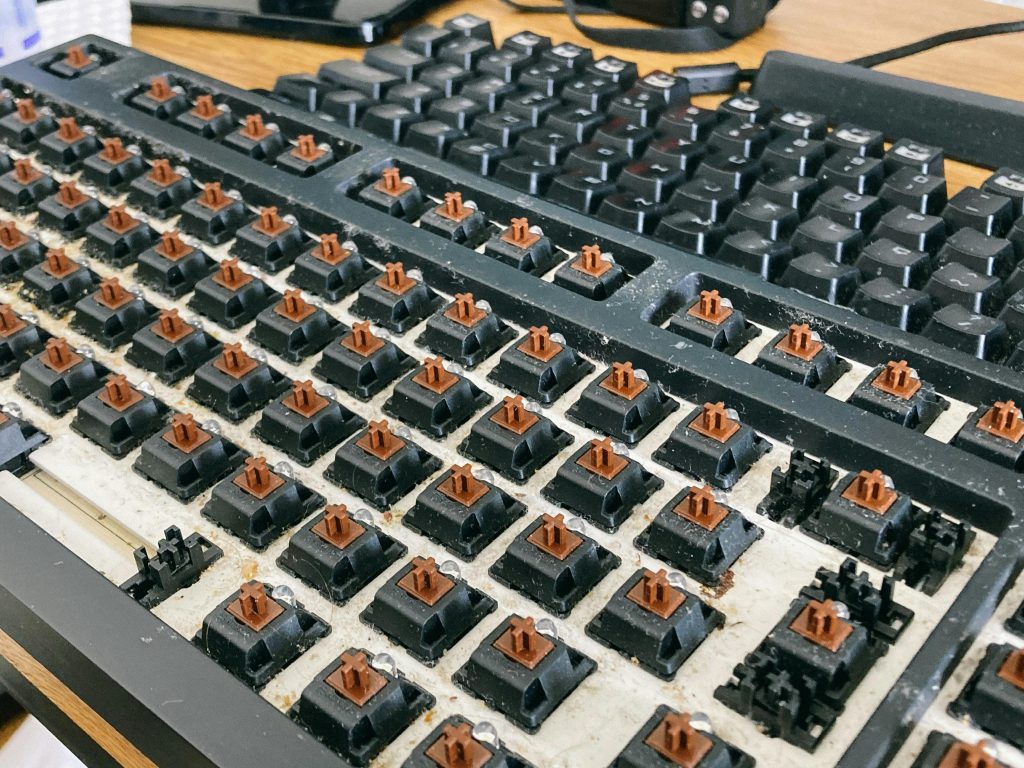
Custom Mechanical Keyboard Components Explained
Keyboard Case (Sound & Feel Matter More Than Looks)
Popular materials:
- Aluminum cases – premium feel, clean sound (top affiliate category)
- Polycarbonate cases – softer, deeper acoustics
- Plastic cases – budget-friendly entry point
Look for gasket mount designs if comfort and sound are priorities.
PCB: Hot-Swap vs Soldered
Hot-swappable PCBs allow switch changes without soldering—this massively lowers buyer friction.
Best features to recommend:
- VIA or QMK support
- RGB (optional, not essential)
- Multiple layout support
Unless your audience is advanced, avoid solder-only PCBs.
Mechanical Switches
Switches are consumables—great for repeat commissions.
Linear Switches (Best for Gaming)
- Smooth keystrokes
- Quiet operation
- Popular options from Gateron and Cherry-style clones
Tactile Switches (Best for Typing)
- Noticeable bump
- Better feedback
- Strong demand from office users
Clicky switches convert poorly—recommend sparingly.
Keycaps: PBT vs ABS
- PBT keycaps last longer and resist shine
- Thicker keycaps = better sound
- Cherry profile has the widest compatibility
Keycap sets are excellent upsells after the main keyboard purchase.
Stabilizers (Small Part, Big Impact)
Poor stabilizers ruin expensive keyboards.
Recommend:
- Screw-in stabilizers
- Pre-clipped or factory-lubed options
This is an easy add-on that improves customer satisfaction.
Best Custom Mechanical Keyboard Builds by Budget
Best Budget Custom Keyboard ($100–$150)
Ideal for beginners:
- Plastic or polycarbonate case
- Hot-swap PCB
- Stock stabilizers (upgrade later)
This tier converts well because it feels “safe” to buyers.
Best Mid-Range Custom Keyboard ($200–$350)
Sweet spot for most users:
- Aluminum case
- Gasket mount
- Premium switches
- Tuned stabilizers
This is where return rates drop and reviews improve.
High-End Custom Mechanical Keyboards ($400+)
For enthusiasts only:
- Limited-run cases
- Brass or copper weights
- Boutique switches
Great for authority content, not volume sales.
Is a Custom Mechanical Keyboard Worth the Money?
Yes—if you type daily and value comfort and durability.
No—if you want plug-and-play simplicity and never plan to customize.
How to Choose the Best Custom Mechanical Keyboard
Before buying, make sure it has:
- Hot-swappable PCB
- Layout that matches your workflow
- PBT keycaps
- Replaceable stabilizers
- Active community support
If any of these are missing, it’s probably overpriced.
Should You Buy a Custom Mechanical Keyboard?
A custom mechanical keyboard is one of the few tech upgrades that delivers daily, tangible benefits. The right build improves typing speed, reduces fatigue, and lasts years longer than mass-market alternatives.
If you choose components wisely, you won’t just own a keyboard—you’ll own a tool built around how you work.
Share: